Unlock Better Funding Through CommuniData
How Chicago Nonprofit Directors Can Unlock Better Funding Through Community Data
Every nonprofit director knows the frustration: you're doing incredible work in your community, but when it comes time to write grants or pitch funders, you're scrambling to find the data that proves your impact and need. CommuniData changes that equation by putting Chicago's community insights at your fingertips, helping you build stronger cases for funding while deepening your understanding of the neighborhoods you serve.
The Data Gap That's Costing You Funding
Chicago nonprofits lose out on millions in potential funding each year because they can't easily access the community data that funders want to see. A recent analysis of grant applications showed that proposals with specific neighborhood demographics, economic indicators, and community trend data were 40% more likely to receive funding than those without.
The problem isn't that this data doesn't exist; it's scattered across dozens of city departments, federal databases, and research institutions. A typical nonprofit director might spend weeks hunting down census data from one source, crime statistics from another, and economic indicators from a third, only to discover the information is outdated or doesn't align geographically.
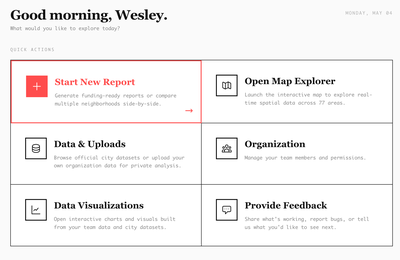
CommuniData solves this by aggregating Chicago's civic data into one searchable platform. Instead of playing data detective, you can focus on what you do best: serving your community and crafting compelling funding narratives.
What CommuniData Offers Chicago Nonprofits
The platform provides access to neighborhood-level data across multiple categories that funders care about most. You'll find demographic breakdowns that go beyond basic census information, including household composition, language spoken at home, and educational attainment by specific geographic areas.
Economic indicators help you demonstrate both need and opportunity in your service area. Track unemployment rates, median income changes over time, business openings and closures, and housing affordability metrics. This data helps you show funders not just that a problem exists, but how it's trending and where intervention can make the biggest difference.
Safety and quality of life metrics round out the picture with crime statistics, 311 service requests, environmental health data, and infrastructure investments. When you're applying for funding to address youth programming, for example, you can show exactly how many families in your target area have called 311 about abandoned buildings or how recent park investments have changed foot traffic patterns.
Turning Data Into Funding Success Stories
The real power of CommuniData comes in how you use these insights to strengthen your funding applications and community partnerships. Smart nonprofit directors are using the platform to identify underserved pockets within their broader service area, allowing them to target resources more effectively and demonstrate sophisticated understanding of community needs.
One effective approach is creating data-driven neighborhood profiles that you can customize for different funders. A foundation focused on education might want to see school performance data alongside afterschool program gaps, while a health-focused funder cares more about food access and healthcare facility proximity. CommuniData lets you pull the relevant metrics for each audience.
The platform also helps you spot emerging trends before they become crises. Rising eviction rates in a specific ZIP code, declining small business density, or increasing 311 calls about mental health services can all signal opportunities for proactive programming and proactive funding requests.
Building Stronger Community Partnerships
Beyond funding applications, CommuniData helps nonprofit directors become more strategic community partners. When you can speak knowledgeably about neighborhood trends, other organizations are more likely to see you as a valuable collaborator rather than just another group competing for resources.
Use the platform to identify potential partners by seeing which organizations are already active in your target areas and what gaps remain. If data shows high youth unemployment but few job training programs in a neighborhood, that's an opportunity for partnership with workforce development organizations.
The platform also helps you engage more effectively with community members themselves. Residents appreciate when nonprofit leaders understand their neighborhood's specific challenges and assets. Data-informed community meetings and surveys show that you've done your homework and take local concerns seriously.
Making Your Case With Confidence
Funders increasingly expect nonprofits to demonstrate not just good intentions, but strategic thinking backed by evidence. CommuniData helps you move beyond anecdotal evidence to present clear, current pictures of community conditions and needs.
This shift toward data-driven decision making doesn't mean losing the human stories that make your work compelling; it means supporting those stories with context that helps funders understand their broader significance. When you share a client success story, you can also show how that individual's challenges reflect larger neighborhood patterns and how your intervention addresses systemic issues.
The platform's neighborhood-level focus is particularly valuable because it matches how many Chicago residents think about their communities. Rather than presenting citywide statistics that may not reflect local realities, you can speak specifically about the Pilsen blocks where your food pantry operates or the Bronzeville corridor where your small business program is making a difference.
What This Means for Chicago Nonprofit Directors
CommuniData transforms how Chicago nonprofit directors can approach funding, community engagement, and strategic planning by making essential neighborhood data accessible and actionable. Instead of spending precious time hunting for statistics, you can focus on analysis and application, turning data into the compelling narratives that funders want to support.
The platform levels the playing field between large nonprofits with dedicated research staff and smaller organizations that know their communities intimately but lack data resources. Most importantly, it helps you serve your community more effectively by grounding your work in current, comprehensive understanding of local conditions and needs.
Ready to see how community data can strengthen your next funding application? Visit the main website, sign up, explore the platform, and provide feedback on improvements that would make it even more valuable for Chicago's nonprofit sector.